Tunisia 2027 Total Solar Eclipse: Why This Is the Best Country in North Africa to Witness the "Eclipse of the Century"
26/08/2026
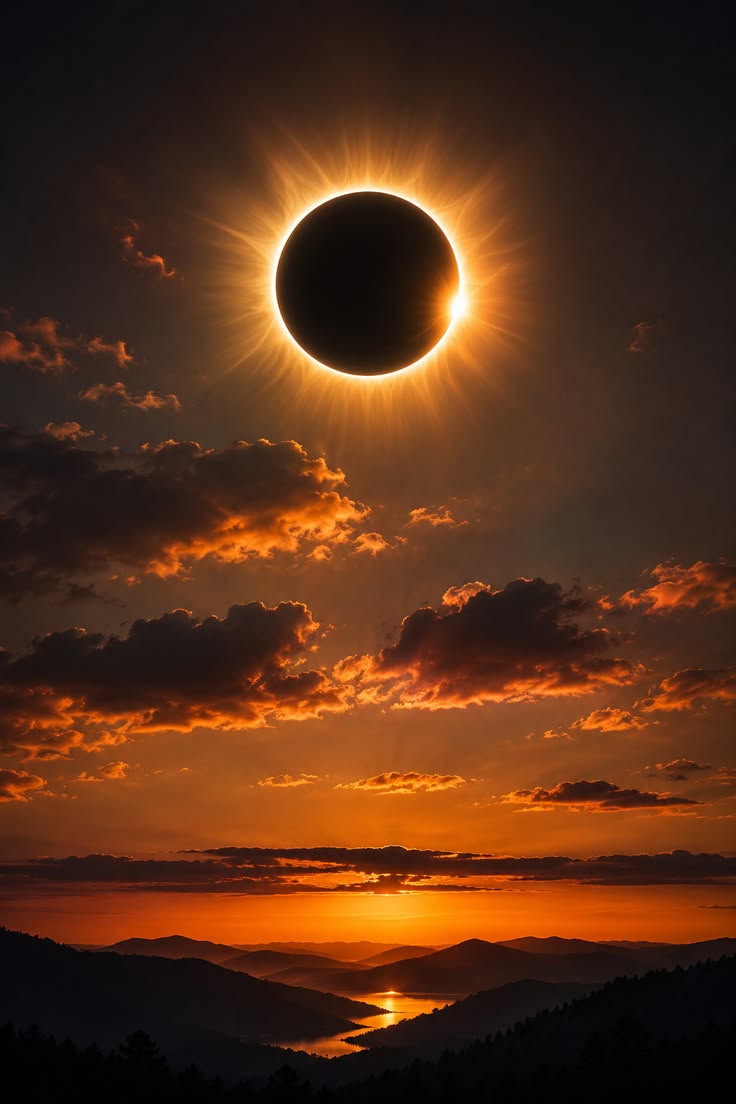
On the morning of Monday, August 2, 2027, the sky over North Africa will do something it has not done in decades: it will go dark at midday. Birds will fall silent. The temperature will drop. Streetlights will flicker on. And for a few unbelievable minutes, millions of people standing beneath a narrow 258-kilometer-wide shadow will look up and see the Sun's ghostly white corona blazing around a perfect black disc where our star used to be.
This is the 2027 total solar eclipse — already nicknamed by astronomers and the global press as the "Eclipse of the Century." It will be the longest total solar eclipse visible from land between 1991 and 2114, with totality stretching up to 6 minutes and 23 seconds at its point of greatest eclipse. If you have ever felt the hair on your arms stand up during a sunset, multiply that feeling by a thousand — because nothing in nature compares to standing inside the path of totality.
And if you are asking yourself the single most important question every eclipse chaser, astro-tourist, and bucket-list traveler is asking right now — "Which country in North Africa is the best place to see the 2027 total solar eclipse?" — this guide will walk you through the evidence, the numbers, and the honest comparisons. The short answer, backed by climatology data, accessibility, safety, and total eclipse duration: Tunisia is the single best base in North Africa for experiencing the 2027 total solar eclipse.
Let's break down exactly why, with real numbers, credible astronomical sources, and a practical roadmap for planning your trip before the best viewing spots sell out.
Table of Contents
- What Is the 2027 Total Solar Eclipse, Exactly?
- Key Facts and Numbers Every Traveler Should Know
- The Path of Totality: Which Countries Will See It?
- North Africa Eclipse Country Comparison: Tunisia vs. Morocco vs. Algeria vs. Libya vs. Egypt
- Why Tunisia Is the Best Country in North Africa for the 2027 Eclipse
- Best Viewing Locations Inside Tunisia
- How Long Will Totality Last in Tunisia? (City-by-City Breakdown)
- Tunisia Solar Eclipse Tour Packages: How to Book Your Spot
- Practical Planning Guide: Safety, Gear, Timing, and Logistics
- Beyond the Eclipse: Why Tunisia Deserves an Extra Week of Your Life
- Frequently Asked Questions About the 2027 Tunisia Solar Eclipse
- Final Verdict: Book Your Front-Row Seat to History
<a id="what-is-it"></a>
1. What Is the 2027 Total Solar Eclipse, Exactly?
A total solar eclipse happens when the Moon passes directly between the Earth and the Sun, completely blocking sunlight and casting a shadow — called the path of totality — across a narrow strip of the Earth's surface. Anyone standing inside that strip experiences totality: total darkness in the middle of the day, a 360-degree sunset glow on the horizon, and the Sun's outer atmosphere (the corona) becoming visible as a silvery halo.
What makes August 2, 2027 exceptional is a rare orbital alignment. The eclipse will occur just after the Moon reaches perigee (its closest approach to Earth), while the Earth is near aphelion (its farthest point from the Sun). That combination makes the Moon appear unusually large in the sky and the Sun appear unusually small — stretching the duration of totality to its near-maximum theoretical limit.
According to NASA's solar eclipse calendar and multiple astronomy outlets, the 2027 eclipse will deliver up to 6 minutes and 23 seconds of totality, making it the longest total solar eclipse visible from land in over a century — a record that will not be broken again until the year 2114. For comparison, the widely covered April 8, 2024 total solar eclipse over North America lasted just 4 minutes and 28 seconds at its peak. The 2027 event will run roughly 43% longer.
That single number — six-plus minutes — is why eclipse chasers, astrophotographers, and travel bucket-listers around the world are already blocking out the first week of August 2027 on their calendars, two full years in advance.
<a id="key-facts"></a>
2. Key Facts and Numbers Every Traveler Should Know
| Fact |
Detail |
| Date |
Monday, August 2, 2027 |
| Maximum duration of totality |
6 minutes 23 seconds |
| Path width |
Approximately 258 km (160 miles) |
| Path length |
Over 15,000 km, crossing 2 oceans and 3 continents |
| Countries in the path of totality |
Spain (Gibraltar), Morocco, Algeria, Tunisia, Libya, Egypt, Saudi Arabia, Yemen, Somalia |
| Time of greatest eclipse (UTC) |
Approx. 10:07 UTC |
| Local start of partial phase (North Africa) |
Roughly 7:30 AM local time |
| Local totality window (North Africa) |
Roughly 8:23 AM – 11:50 AM local time, depending on location |
| Comparable next event |
Not surpassed in duration until 2114 |
These numbers come from established astronomical references — NASA's eclipse catalog, Wikipedia's eclipse database, and specialist eclipse-tracking sites like TimeandDate and NationalEclipse.com — not tourism marketing. This is a real, once-in-a-lifetime astronomical event, and the window to plan a safe, well-positioned trip is closing faster than most people realize.
<a id="path-of-totality"></a>
3. The Path of Totality: Which Countries Will See It?
The Moon's shadow will first touch land in southern Spain and Gibraltar, sweep across the Strait of Gibraltar, and then cut directly through North Africa before continuing over the Red Sea into the Arabian Peninsula and the Horn of Africa. Within North Africa specifically, the path of totality crosses:
- Morocco — entering near Tangier and the northern coast
- Algeria — crossing sparsely populated interior and northern regions near Oran
- Tunisia — cutting straight through the country's most historic and accessible heartland, including areas near Sfax and El Jem
- Libya — crossing near Benghazi, though with significant safety and access constraints
- Egypt — passing near Luxor, where totality approaches its maximum duration
On paper, five North African countries fall inside the path. In practice, only a handful are realistic, safe, and logistically sound destinations for international travelers. That is where the real decision-making begins — and where Tunisia pulls decisively ahead.
<a id="country-comparison"></a>
4. North Africa Eclipse Country Comparison: Tunisia vs. Morocco vs. Algeria vs. Libya vs. Egypt
If you are weighing "best country to see total solar eclipse 2027 North Africa," here is an honest, side-by-side comparison based on cloud-cover climatology, safety, infrastructure, and traveler accessibility.
| Country |
Totality Duration |
August Weather / Cloud Risk |
Tourist Infrastructure |
Safety & Travel Ease |
Flight Access from Europe |
| Tunisia |
Up to ~6 min |
Low cloud risk; dry Saharan-influenced climate |
Excellent — established resorts, roads, hotels |
Stable, tourist-friendly, visa-free for many nationalities |
2–3 hrs from most EU hubs |
| Morocco |
Shorter totality in the path segment |
Coastal humidity/cloud risk higher near Atlantic entry point |
Very good, but eclipse zone is less developed |
Generally safe |
3 hrs from EU hubs |
| Algeria |
Moderate |
Interior desert clarity, but path crosses remote areas |
Limited tourism infrastructure |
Restrictive visa policy for many nationalities |
Limited direct flights |
| Libya |
Moderate-long |
Good desert clarity |
Very limited |
Not currently recommended for tourism due to instability |
Minimal commercial access |
| Egypt (Luxor) |
Longest on land (~6.5 min near Luxor) |
Excellent, very low cloud risk |
Excellent, mature tourism sector |
Generally safe, well-trodden tourist path |
4–5 hrs from EU hubs, often with connections |
Egypt's Luxor region technically records a few seconds more totality than most Tunisian viewing points, and it is a legitimate, well-established eclipse destination in its own right. But when you weigh the full travel equation — proximity to Europe, ease of visa entry, road infrastructure, hotel capacity for a surge of eclipse tourists, weather reliability, and the sheer density of additional attractions within a short drive of the eclipse path — Tunisia consistently comes out on top as the most practical, comfortable, and rewarding North African eclipse destination for the average international traveler.
<a id="why-tunisia"></a>
5. Why Tunisia Is the Best Country in North Africa for the 2027 Eclipse
5.1 Near-Guaranteed Clear Skies
Cloud cover is the single biggest risk factor for any eclipse trip — six minutes of totality means nothing if clouds roll in at the wrong moment. Long-term satellite climatology of August cloud fraction across the eclipse track shows that while parts of Morocco, Algeria, and Tunisia carry some cloud variability, the bulk of the path — including Tunisia's central and southern viewing corridor — sits on the northern edge of the Sahara, where conditions are characteristically hot, dry, sunny, and dust-influenced rather than cloudy. In plain terms: this is one of the most climatologically reliable eclipse tracks of the decade, and Tunisia's eclipse zone benefits directly from that desert-driven clarity.
5.2 A Genuinely Long Totality Window
Central and southern Tunisia — particularly the corridor running through Sfax, El Jem, and toward the interior — sits well within the path of totality, with credible eclipse-tracking sources placing totality duration in Tunisia at up to roughly six minutes, among the longest land-based totality windows on the entire 15,000-km path. You are not settling for a "decent" eclipse in Tunisia — you are booking one of the longest total solar eclipses most living humans will ever witness.
5.3 Unmatched Accessibility from Europe and Beyond
Tunis is roughly a two-to-three-hour flight from most major European hubs — London, Paris, Rome, Frankfurt, Madrid — making Tunisia the single most convenient North African eclipse destination for European travelers, and a very reasonable connection for travelers from the Middle East, North America, and beyond. Compare that to the longer connections often required to reach Luxor, Egypt, or the limited direct access into Algeria and Libya, and the logistics case for Tunisia becomes overwhelming.
5.4 Mature, Ready-to-Scale Tourism Infrastructure
Tunisia already welcomes millions of international visitors every year and has decades of experience hosting large-scale tourism across its coastal resorts, historic medinas, and desert regions. Hotels, transport networks, English- and French-speaking guides, and airport capacity are already in place — this is not a market that has to be built from scratch for eclipse tourism, unlike some of the more remote stretches of the path in Algeria or Libya.
5.5 A Safe, Tourist-Friendly Environment
Tunisia consistently ranks as one of the more stable and welcoming destinations in North Africa for international visitors, with a well-established diplomatic and tourism relationship with Europe and a visa-free or visa-on-arrival policy for many nationalities. For a trip built around a precise, unmovable two-year-in-advance date, predictability and safety matter enormously.
5.6 A Country That Rewards You Even Without the Eclipse
Perhaps the most emotional argument of all: Tunisia is not just a shadow on a map. It is Roman amphitheaters rising out of golden plains, blue-and-white cliffside towns overlooking the Mediterranean, Saharan dunes that turn copper at sunset, and medinas that smell of jasmine and fresh bread. Even if you stripped away the eclipse entirely, Tunisia would still be one of the most rewarding, underrated destinations in the Mediterranean. Layer six minutes of cosmic darkness on top of that, and you have the trip of a lifetime.
<a id="best-locations"></a>
6. Best Viewing Locations Inside Tunisia
Not every square meter of Tunisia lies inside the path of totality — you must be within the shadow band to see a total eclipse rather than a partial one. Based on the eclipse's centerline and published totality maps, the strongest, most accessible viewing regions inside Tunisia include:
- El Jem — Home to one of the best-preserved Roman amphitheaters on Earth (a UNESCO World Heritage Site), El Jem sits close enough to the favorable viewing corridor to combine dramatic ancient architecture with a clear, open-sky eclipse-watching experience. Few sights on this planet will rival watching totality descend over a 1,700-year-old Roman coliseum.
- Sfax — Tunisia's second-largest city lies close to the eclipse centerline, offering one of the longest totality durations available on land in this event, combined with flat coastal terrain and full hotel and transport infrastructure.
- Kairouan — A UNESCO-listed spiritual capital of Islamic North Africa, within reach of the favorable viewing band and rich with cultural context for the days surrounding eclipse day.
- Djerba — The legendary Mediterranean island, long famous for its beaches, synagogues, and laid-back pace, offers a relaxed, resort-based way to experience eclipse week while staying close to the path.
- Mahdia and the central coastline — A quieter, seaside alternative with historic Fatimid architecture and easy access inland to the centerline.
Each of these locations offers a different flavor of the same extraordinary morning — from Roman ruins to desert horizons to island shorelines — which is exactly why multi-stop itineraries across El Jem, Sfax, and Djerba have become the most sought-after way to experience Tunisia's 2027 eclipse.
<a id="duration-breakdown"></a>
7. How Long Will Totality Last in Tunisia? (City-by-City Breakdown)
While exact second-by-second timing will only be finalized as the date approaches (and depends on your precise GPS coordinates relative to the centerline), current published estimates and eclipse-mapping tools place Tunisia's total solar eclipse duration in the range of roughly 5 to 6 minutes across its strongest viewing zones, positioning the country among the longest land-based totality windows anywhere on the 2027 path — trailing only marginally behind the absolute maximum recorded near the path's centerline further east.
For context on just how rare this is: most total solar eclipses in recorded history last somewhere between one and three minutes. A five-to-six-minute totality window is exceptional by any historical standard, and Tunisia sits comfortably inside that exceptional range.
<a id="tour-packages"></a>
8. Tunisia Solar Eclipse Tour Packages: How to Book Your Spot
Here is the part that matters most if you are serious about this trip: eclipse tourism sells out early, and it sells out fast. Hotels along the centerline in high-demand eclipse corridors have historically filled up 12–24 months in advance for major eclipse events, and August 2027 is already generating global attention as the "Eclipse of the Century." Waiting until 2027 to book is, frankly, a gamble most seasoned eclipse chasers won't take.
If you want a guided, stress-free way to be in exactly the right place at exactly the right second — without worrying about cloud-avoidance route planning, permit logistics, or last-minute hotel scarcity — a structured, expert-led Tunisia eclipse tour is the smartest way to secure your spot. Depending on how much time you want to spend and how deep you want to go into Tunisia's history and landscapes, there are itineraries built for every kind of traveler:
Each of these packages is designed specifically around eclipse-day positioning, meaning the logistics of "will I actually be inside the path of totality" are handled for you — arguably the single most important detail of the entire trip. Spots on structured, small-group eclipse tours are limited by hotel capacity in the eclipse corridor, and demand for the 2027 event is already climbing well ahead of schedule. If Tunisia is on your radar, reserving your place now, rather than waiting, is the difference between watching totality from the perfect spot and scrambling for a hotel room within driving distance of the path.
<a id="planning-guide"></a>
9. Practical Planning Guide: Safety, Gear, Timing, and Logistics
9.1 Eye Safety Comes First
You must never look directly at the Sun without certified solar eclipse glasses (ISO 12312-2 certified) except during the brief seconds of full totality, when the Sun is completely covered and it becomes safe to view with the naked eye. As soon as the first sliver of sunlight reappears, glasses go back on immediately. This is non-negotiable — improper viewing can cause permanent eye damage.
9.2 When to Book Flights and Hotels
Given that the eclipse corridor covers a relatively narrow band of Tunisia, and that hotel capacity directly on the centerline is finite, the general rule among experienced eclipse travelers is: book 12–18 months ahead for standard availability, and 18–24 months ahead for the best hotel positioning and lowest prices. Waiting until early 2027 significantly raises the risk of being priced out or pushed outside the path of totality entirely.
9.3 What to Pack
- Certified eclipse glasses (bring at least two pairs per person)
- A wide-brimmed hat, sunscreen, and hydration — August in Tunisia is hot
- A camera or smartphone tripod if you want to photograph the corona (never point an unfiltered camera or phone directly at the pre-totality Sun without a solar filter)
- Comfortable walking shoes for site visits to El Jem, Kairouan, or Sfax's old medina
- A light jacket — temperatures can drop noticeably during totality itself
9.4 Timing Your Eclipse Day
Arrive at your chosen viewing site at least 90 minutes before the estimated start of the partial phase to secure a clear, unobstructed sightline and avoid last-minute traffic congestion, which is common on major eclipse days worldwide as local and international viewers converge on the same open spaces.
9.5 Consider a Backup Viewing Location
Even in a climatologically favorable zone like Tunisia, experienced eclipse chasers always identify a backup site 30–60 minutes away in case of unexpected local cloud cover on the morning itself. Guided tours typically build this flexibility into their itineraries — one more reason a structured package often outperforms an independent DIY trip for an event this time-sensitive.
<a id="beyond-eclipse"></a>
10. Beyond the Eclipse: Why Tunisia Deserves an Extra Week of Your Life
It would be a shame to fly all the way to North Africa for six minutes, however extraordinary, and miss everything around it. Tunisia packs an astonishing density of history and landscape into a country roughly the size of England:
- Carthage, the ancient Phoenician and Roman city that once rivaled Rome itself, sits just outside Tunis.
- The Sahara Desert begins a few hours south, offering camel treks, star-filled desert camps, and some of the most dramatic sunsets on Earth.
- Sidi Bou Said, the postcard-perfect blue-and-white village on the Mediterranean cliffs, remains one of the most photographed spots in North Africa.
- The medinas of Tunis, Kairouan, and Sfax are living, breathing UNESCO World Heritage sites, still filled with artisans, spice markets, and centuries-old architecture.
- Djerba's beaches and ancient synagogues offer a completely different, island-paced side of the country.
Pairing eclipse day with even a few extra days of exploration transforms this trip from "a few minutes of darkness" into one of the richest travel experiences of your life — which is exactly the philosophy behind the multi-day Tunisia eclipse itineraries built specifically for August 2027.
<a id="faq"></a>
11. Frequently Asked Questions About the 2027 Tunisia Solar Eclipse
Q1: When exactly is the 2027 total solar eclipse? The eclipse will occur on Monday, August 2, 2027. In Tunisia and North Africa, the partial phase begins in the morning, with totality arriving mid-to-late morning local time, and the entire event — partial phases included — spanning roughly five hours from first to last contact.
Q2: Why is the 2027 eclipse called the "Eclipse of the Century"? Because it delivers up to 6 minutes and 23 seconds of totality — the longest total solar eclipse visible from land between 1991 and 2114 — combined with a path that crosses major, easily accessible population centers across Europe, Africa, and the Middle East, making it one of the most-anticipated and most-watched eclipses in modern history.
Q3: Is Tunisia really in the path of totality? Yes. Tunisia sits squarely within the 258-km-wide path of totality, with the shadow crossing the country's central and coastal regions, including areas near Sfax and El Jem, delivering total eclipse durations of up to roughly six minutes in the most favorable viewing zones.
Q4: Is Tunisia better than Egypt for the 2027 eclipse? Egypt's Luxor region records a marginally longer totality window near the absolute centerline of the path. However, Tunisia offers significantly easier flight access from Europe, a more compact and manageable travel radius, comparably favorable weather, and a well-established tourism infrastructure — making it the more practical and accessible choice for most international travelers without meaningfully sacrificing totality duration.
Q5: What is the best city in Tunisia to watch the eclipse? El Jem, Sfax, Kairouan, and Djerba all fall within strong viewing range of the path of totality, each offering a different experience — from Roman ruins to island beaches. Multi-stop itineraries that combine two or more of these locations are the most popular way to experience eclipse week in Tunisia.
Q6: Do I need special glasses to watch the eclipse? Yes, absolutely. You need ISO 12312-2 certified solar eclipse glasses for every phase of the eclipse except the brief window of full totality, when the Sun is completely blocked and safe to view with the naked eye.
Q7: How far in advance should I book a Tunisia eclipse tour? Given the finite hotel capacity directly within the path of totality, most experienced eclipse travelers recommend booking 12–24 months in advance to secure the best positioning, pricing, and accommodation before the corridor sells out.
Q8: What is the weather likely to be like in Tunisia on eclipse day? Early August in Tunisia's eclipse corridor typically features hot, dry, and largely clear desert-influenced conditions, which climatology data suggests gives the region a comparatively low risk of cloud interference relative to many other points along the global path.
Q9: Can I combine the eclipse with other travel in Tunisia? Yes — and most experienced travelers strongly recommend it. Multi-day itineraries pairing eclipse day with visits to El Jem's Roman amphitheater, the Sahara, Kairouan's Great Mosque, and Djerba's beaches are widely considered the best way to experience Tunisia's eclipse week.
Q10: Where can I book a structured Tunisia eclipse tour package? Dedicated, eclipse-day-optimized itineraries are available, including a 5-day El Jem eclipse trip, an 8-day comprehensive Tunisia eclipse tour, and a Djerba, El Jem, and Tunis heritage eclipse tour — each built around securing a position inside the path of totality while showcasing Tunisia's history and landscapes.
<a id="final-verdict"></a>
12. Final Verdict: Book Your Front-Row Seat to History
Here is the truth about total solar eclipses that no photograph, no video, and no article — including this one — can fully convey: you cannot understand what six minutes of totality feels like until you have stood inside the shadow yourself. The temperature drop on your skin. The eerie 360-degree twilight glow. The gasps of everyone around you as the corona ignites around a black hole where the Sun used to be. The birds going quiet. The stars appearing at 10 in the morning. People who have experienced totality consistently describe it as one of the most profound, emotional moments of their lives — and this one will last nearly twice as long as most eclipses in human history.
Weighing the full picture — duration, weather reliability, safety, accessibility, infrastructure, and the sheer emotional and cultural richness of the surrounding destination — Tunisia stands out as the best-positioned, most practical, and most rewarding country in North Africa to experience the August 2, 2027 total solar eclipse.
The path of totality will not wait, the best hotels along the centerline will not stay available forever, and this exact alignment of Sun, Moon, and Earth will not happen again in most of our lifetimes. If you have ever said "I'll see a total eclipse someday," August 2, 2027, over Tunisia, may be the best "someday" you will ever get.
Ready to claim your spot inside the path of totality? Explore the 5-day El Jem eclipse package, the 8-day full Tunisia eclipse tour, or the Djerba–El Jem–Tunis heritage eclipse tour — and reserve your place before the countdown to the Eclipse of the Century runs out.
Sources and further reading: NASA Solar Eclipse data (via published astronomical reporting), Wikipedia's Solar Eclipse of August 2, 2027, TimeandDate.com eclipse pages for Tunisia, NationalEclipse.com 2027 eclipse maps, Eclipsophile.com climatology analysis, TheSkyLive.com Tunisia eclipse data, and Gulf News astronomical coverage. This article is for general informational and travel-planning purposes; always verify exact local timings and positioning closer to the event date using dedicated eclipse-mapping tools.

 English