Blue Hole Dahab Travel Guide: Everything You Should Know Before You Go (Full 2027 Guide, Story, and Honest Advice From Someone Who's Been There)
24/08/2026
I still remember the exact moment the color of the water changed under me. One second I was floating over a shallow coral garden the colour of a swimming pool, close enough to touch the sea urchins with my fingertips, and the next the reef floor simply disappeared. Not sloped away, not faded into murk — it just stopped, like someone had cut a hole in the bottom of the ocean and painted the edges cobalt blue. My stomach did that little drop you feel at the top of a rollercoaster, except I wasn't moving. The water was moving under me, and somewhere below my flippers there was nothing but a hundred metres of open blue and, if the stories are true, a fair number of names carved into the rock above the waterline.
That was my first look at the Blue Hole in Dahab, and it is a moment I've never quite been able to explain properly to people who haven't had it themselves. This guide is my attempt anyway — part travel diary, part practical planning guide, part honest safety briefing, built from a full day spent at the site, hours of conversation with Bedouin guides and dive instructors in Dahab's cafés, and a fair amount of digging into the geology and history behind the nickname everyone whispers when they talk about this place: the Diver's Cemetery.
If you're searching for Blue Hole Dahab tours, Blue Hole and Three Pools day trips from Dahab, or simply trying to figure out is the Blue Hole in Dahab safe for snorkeling, you're in the right place. I'll walk you through what the site actually is, what it costs, how it compares to other famous blue holes around the world, how to visit responsibly, and what I wish someone had told me before I went.
Table of Contents
<a id="what-is-the-blue-hole"></a>
What Is the Blue Hole in Dahab, Exactly?
Strip away the ghost stories for a second, because the geology alone is worth the trip.
The Blue Hole sits on the Gulf of Aqaba coastline, a short drive north of Dahab town in Egypt's South Sinai. It's a submarine sinkhole — essentially a vertical shaft carved into the limestone reef, plunging to a depth of roughly 100 to 120 metres (330–390 feet) depending on which survey you read. A shallow rim about 6 metres (20 feet) deep, nicknamed "the Saddle," separates the hole from the open sea, and this is the part that makes the site so photogenic and so accessible: you can literally walk into the water from a beachfront café and be floating over that void within a couple of minutes.
Deeper down, at around 55 metres (180 feet), there's a horizontal tunnel through the reef wall known as the Arch. It's about 26 metres (85 feet) long, and on its seaward side the floor drops away dramatically to more than a kilometre deep out in the Gulf. Geologists generally agree the structure formed during the last Ice Age, when sea levels were dozens of metres lower than they are today and what's now underwater was a dry limestone cave. As the ice melted and the sea rose, the cave flooded, leaving behind the near-perfect circular sinkhole divers and snorkelers visit today.
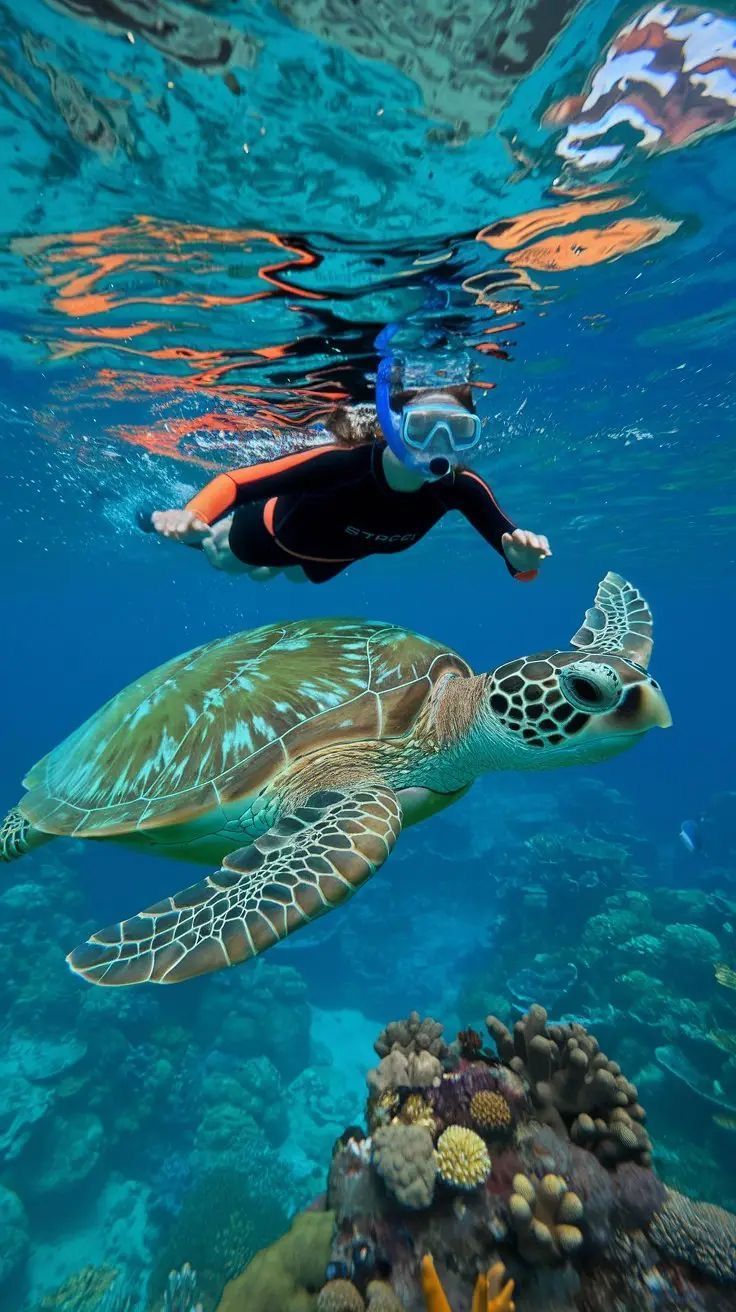
None of that requires a dive certification to appreciate, by the way. The shallow reef rim around the Blue Hole is thick with hard coral — table corals, brain corals, staghorn formations — and it's genuinely one of the healthier reef systems left in the northern Red Sea, still hosting clownfish, parrotfish, unicornfish, triggerfish, and the occasional reef shark cruising the drop-off. You do not need scuba gear to have your breath taken away here. A mask and a decent set of fins will do it.
<a id="divers-cemetery"></a>
The Diver's Cemetery: The Story Behind the Nickname
I'll be straightforward about this, because I think sanitising it does visitors a disservice: the Blue Hole has a reputation as one of the most dangerous recreational dive sites on Earth, and that reputation is earned.
Walk along the rocky path above the site and you'll notice small, hand-painted stone plaques wedged into the cliff face — names, dates, sometimes a photograph. According to Wikipedia's entry on the Blue Hole, the site is widely reported to have the highest number of diver fatalities of any single dive location in the world, and a Dahab-based technical diver who has personally recovered bodies from the site estimated in 2012 that more than 130 divers had died there. Other accounts, including reporting picked up by Forbes and IFLScience, put estimates closer to 150 or even 200 over the past couple of decades. There's no single official registry, so the exact number is genuinely unknown — but every local guide I spoke with in Dahab agreed on one thing: it's a lot more than anywhere else they've worked.
The story that tends to get told most often is that of Yuri Lipski, a Russian diver who descended into the Arch in April 2000 wearing a helmet camera. He never came back up. His footage — later recovered — became one of the most widely studied cautionary tales in technical diving circles, showing a diver whose judgement clearly deteriorated the deeper he went, a textbook picture of nitrogen narcosis at extreme depth, as documented by outlets including Slate's Atlas Obscura coverage.
Here's the part that matters if you're a nervous first-timer scrolling reviews at 1 a.m. before your trip: almost every documented fatality involves the Arch — the deep tunnel at 55 metres — and almost every victim was an experienced diver attempting a dive well beyond recreational depth limits, often solo, often on regular air instead of the specialised gas mixes technical diving requires. Recreational open-water divers are trained to a maximum of about 18 metres; advanced divers to around 30 metres. The Arch sits nearly double that. Snorkelers, who stay on the surface above the Saddle and the shallow reef rim, are simply not in the same conversation. It's a bit like comparing the risk of walking along a coastal cliff path to the risk of free-solo climbing down the cliff face — same location, wildly different activity.
That contrast is, honestly, part of what makes the place so magnetic. You're floating in warm, gin-clear water, surrounded by parrotfish nibbling coral, while just beneath your fins is a story that has been told and retold in documentaries, diving forums, and travel features for twenty-five years. It gives the whole afternoon a weight that a normal beach day simply doesn't have.
<a id="comparison"></a>
Blue Hole Dahab vs. Other Famous Blue Holes (With Numbers)
Dahab's isn't the only blue hole on the planet, and a lot of visitors ask how it stacks up. Here's a side-by-side, because the numbers genuinely surprised me the first time I looked them up.
| Site |
Location |
Approx. Depth |
Notable Feature |
| Blue Hole, Dahab |
Red Sea, Egypt |
~100–120 m (330–390 ft) |
Shore-accessible; the Arch tunnel at 55 m |
| Great Blue Hole |
Lighthouse Reef, Belize |
124 m (407 ft) |
Made famous by Jacques Cousteau; boat access only |
| Dean's Blue Hole |
Long Island, Bahamas |
202 m (663 ft) |
World freediving championship venue |
| Dragon Hole |
South China Sea |
~301 m (987 ft) |
Deepest confirmed blue hole for years |
| Taam Ja' Blue Hole |
Chetumal Bay, Mexico |
420 m+ (1,378 ft+) |
Current record holder for deepest known blue hole |
A few things stand out once you line these up. First, Dahab's Blue Hole isn't actually the deepest blue hole in the world — not even close, when you compare it to Taam Ja' in Mexico. What makes it exceptional is accessibility combined with reputation: you can walk in from a beach café in flip-flops, which is virtually unheard of for a site this deep and this photogenic. The Great Blue Hole in Belize, by contrast, requires a multi-hour boat trip and is generally reserved for certified divers on liveaboard expeditions — you can't just wade in for a snorkel before lunch.
Second, worth noting: the same stretch of Sinai coastline that produced the Blue Hole also produced the current world record for the deepest scuba dive on air-supported technical equipment, set by Egyptian diver Ahmed Gabr, who descended 332.35 metres (1,090 feet) in the Red Sea near Dahab in 2014. This is a region that has always attracted people chasing extremes — which partly explains why the Blue Hole's dark reputation and its enormous popularity have grown side by side rather than cancelling each other out.
<a id="snorkeling-experience"></a>
What Snorkelers Actually Experience at the Blue Hole
I want to spend a little time here because most of what gets written about this place is aimed at scuba divers, and that leaves the snorkeling crowd — probably most people reading this — without a clear picture of what their day actually looks like.
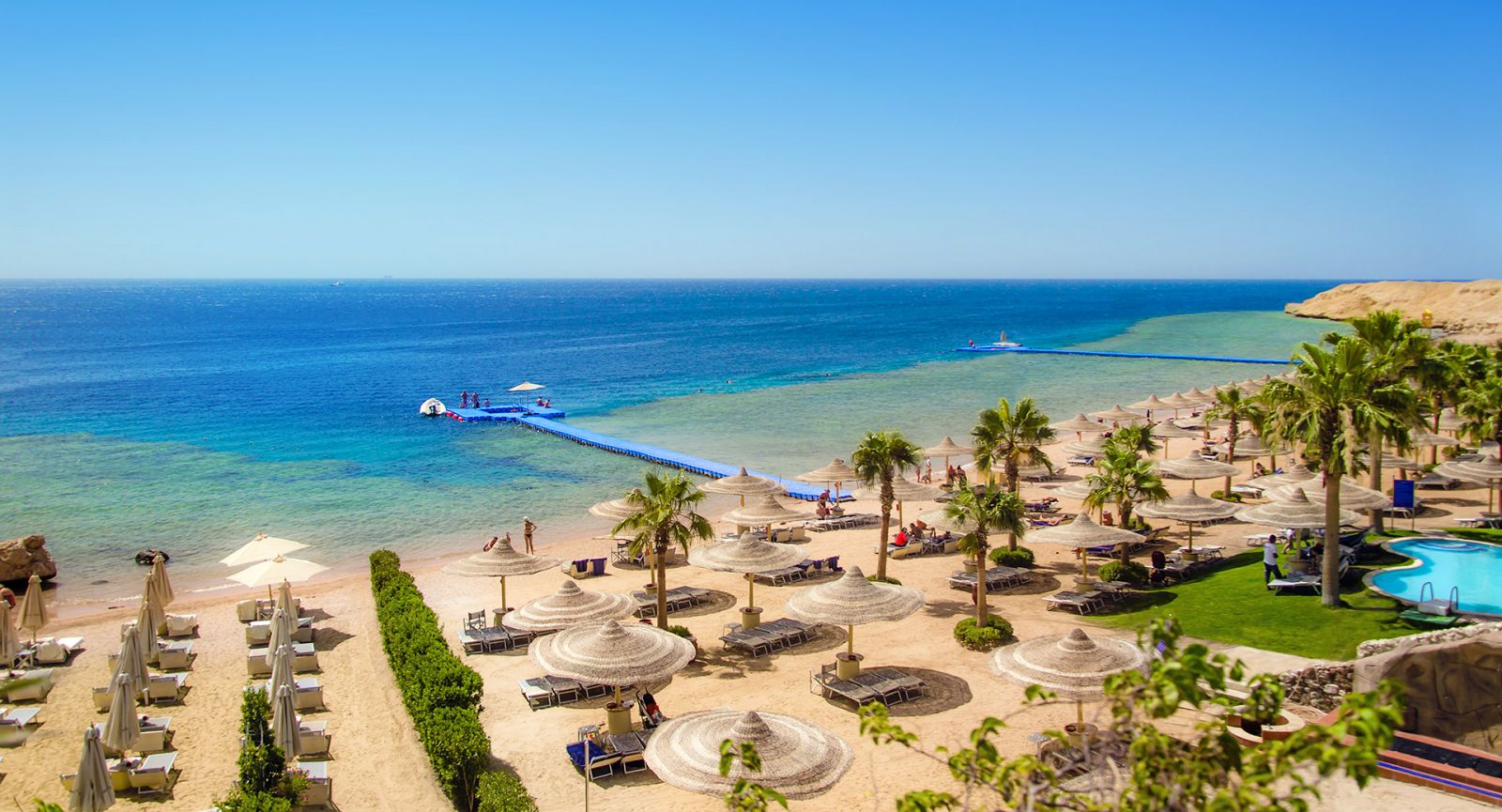
You arrive by 4x4 or minivan, usually mid-morning, and the first view is from the clifftop road: an almost impossibly turquoise ring of shallow reef wrapped around a much darker, near-black circle of deep water. Most groups walk down a set of stone steps (added in recent years specifically to make the descent safer after several slip-and-fall injuries among snorkelers rushing down with wet feet) to a small beach area dotted with Bedouin-run cafés, sun loungers, and dive shops.
Snorkeling here means staying on the surface above the Saddle and the shallow reef rim — you're not going anywhere near the Arch or the deep interior of the hole. The visibility is frequently described by visitors as 25 to 30+ metres, among the clearest inshore water in the Red Sea, and the coral cover on the rim is dense and colourful: table corals stacked like dinner plates, fields of staghorn, the occasional moray eel peeking out from a crevice. Because the water drops away so sharply, you get this strange sensation of "flying" — hanging weightless above what feels like an underwater canyon rather than swimming over a normal seabed. Several visitors compare it to floating above a cliff edge rather than a coral garden, and it's genuinely one of the more disorienting-in-a-good-way sensations I've had in the water.
After an hour or two, most tours move guests along the outer reef edge, away from the hole itself, toward calmer, shallower coral gardens better suited to relaxed snorkeling with young kids or nervous swimmers. Life vests are almost always offered, and any responsible guide will insist weaker swimmers wear one — the drop-off is sudden, and while currents at the Blue Hole itself are generally mild, they can pick up without much warning.
<a id="three-pools"></a>
The Three Pools: Dahab's Quieter, Shallower Sister Site
If the Blue Hole is the dramatic headline act, the Three Pools (sometimes called Three Pools Dahab or simply "the pools") is the site most seasoned Dahab guides will quietly tell you they actually prefer for pure snorkeling enjoyment.
Located a short drive further along the coast, the Three Pools is a shallow lagoon system built around three coral towers rising from a sandy seabed, separated by shallow saddles of their own. Because it's shallower and more sheltered than the Blue Hole, it tends to attract a wider variety of reef fish feeding close to the coral heads — scorpionfish, featherworms, and triggerfish are commonly reported, along with the occasional green turtle drifting through. It's also, frankly, a lot more forgiving for beginners: no sudden 100-metre drop-off waiting under your fins, just gently sloping coral gardens in warm, calm water.
Most full-day tours pair the two sites together for exactly this reason — the adrenaline and visual drama of the Blue Hole in the morning, followed by relaxed, family-friendly snorkeling and a beachside lunch at the Three Pools in the afternoon. It's a smart pairing, and if you only have one day in Dahab, doing both back to back is, in my opinion, the single best way to spend it.
<a id="pricing"></a>
How Much Does a Blue Hole and Three Pools Tour Cost in 2026?
Prices vary depending on who you book with, whether lunch and entrance fees are included, and how many people are in your group. From what I found comparing multiple operators before my trip, full-day Blue Hole and Three Pools snorkeling tours from Dahab typically run somewhere between $35 and $90 per person, with most mid-range, small-group options landing around $45–$65 including hotel pickup, transport, and lunch. A separate entrance fee to the Blue Hole area (commonly cited around $20 USD) is sometimes included and sometimes charged on top, so it's worth confirming before you book.
A few cost factors to watch for:
- Group size — smaller groups (under 10 people) tend to cost more per person but give you a far more relaxed, personal day, especially for photos and unhurried snorkeling time.
- Hotel pickup — nearly all reputable operators include round-trip transfer from your Dahab hotel; if you're coming from Sharm El Sheikh, expect a longer day (often 8–13 hours total) and a higher price due to the extra driving distance.
- Lunch and equipment — mask rental is almost always included; fins, wetsuits, and life vests are sometimes extra, so ask.
- Private vs. shared transport — private Jeep or vehicle transfers cost more but avoid the multi-stop pickup routine that can eat into your actual snorkeling time.
If you're the kind of traveller who reads independent reviews before committing (which, if you're reading a 4,000-word guide like this one, you probably are), it's worth browsing real visitor experiences on a platform like Tripadvisor's Blue Hole page, where past guests describe everything from the sudden drop-off at the reef edge to the life-vest recommendation for weaker swimmers, alongside the site's clifftop cafés and the emotional weight of the memorial plaques.
<a id="my-booking"></a>
How I Booked My Day (and Why I'd Do It the Same Way Again)
I'll be honest about this part too, because I think generic "just book any tour" advice is useless. I didn't want to stand around haggling with drivers on the roadside in Dahab, which is a genuinely common tourist frustration in this town — multiple reviews mention it, and I experienced a small taste of it myself the first afternoon before I had a tour locked in.
What worked for me was booking a hotel-pickup, full-day Blue Hole and Three Pools trip directly through a Sinai-based operator rather than piecing transport together myself. I ended up going with the Dahab Blue Hole and Three Pools Day Tour From Hotel offered by Ayad World Tours, mostly because the itinerary matched exactly what I wanted: hotel pickup, guided snorkeling at both sites in one day, lunch included, and no pressure to upgrade into a diving package I didn't need. The pickup was on time (a small thing that matters a lot after a long flight into Sharm or a long bus ride down from Cairo), the guide knew the reef well enough to point out a hawksbill turtle I would have completely missed on my own, and having someone local handle the entrance-fee logistics at the Blue Hole meant zero standing around while everyone else in the group was already in the water.
If you're weighing whether to arrange transport yourself versus booking a full-day package, my honest take: for a first visit, book the package. You save the negotiating, you get a guide who actually knows the current conditions and the safer snorkeling routes, and you get both major sites — Blue Hole and Three Pools — in a single well-paced day instead of burning half your trip figuring out logistics.
<a id="best-time"></a>
Best Time of Year and Day to Visit
Time of year: The Red Sea is swimmable essentially year-round, but the sweet spot for comfortable snorkeling — warm water, mild air temperature, manageable crowds — runs from March through May and again September through November. Peak summer (June–August) brings water temperatures into the high 20s°C (low 80s°F), which is pleasant for swimming but can mean scorching midday heat on the exposed clifftop and beach area, often well above 35°C (95°F). Winter (December–February) is cooler and quieter, with air temperatures in the high teens to low 20s°C, and water still swimmable for most people with a light wetsuit, though it's the least crowded window if you don't mind cooler conditions.
Time of day: Arrive as early as your tour allows. Most full-day tours depart Dahab hotels between 8 and 10 a.m., and getting to the Blue Hole before the mid-morning tour bus rush means calmer water, better visibility, and a beach area that isn't yet crowded with flip-flops and towels. Light for underwater photography is also noticeably better before around 11 a.m., when the sun is high enough to punch through the water column without the harsh glare of midday.
<a id="getting-there"></a>
Getting There: Dahab, Sharm El Sheikh, and Beyond
The Blue Hole sits roughly 10–12 km north of Dahab town, an easy 15–20 minute drive along the coast road. If you're staying in Dahab itself — and I'd genuinely recommend basing yourself there rather than day-tripping in from Sharm if your schedule allows — most hotels can arrange or connect you with pickup for a half-day or full-day tour, and this is the shortest, least tiring way to see the site.
If you're coming from Sharm El Sheikh, expect roughly 90 minutes to 2 hours each way, since Dahab sits about 95–100 km north along the Gulf of Aqaba coast. Full-day tours from Sharm typically run 8 to 13 hours door-to-door depending on how many sites are combined (some pair the Blue Hole with the Colored Canyon, quad biking, or a Dahab city walk), so it's a long but very doable day trip if Dahab itself isn't on your itinerary.
Travelling independently from Cairo is a much bigger undertaking — a domestic flight to Sharm El Sheikh followed by ground transport, or a long overland bus journey across the Sinai — so most Cairo-based travellers fold Dahab into a broader Sinai or Red Sea leg of their trip rather than attempting it as a standalone day.
<a id="safety"></a>
Safety Rules That Actually Matter
I don't think fear-mongering helps anyone plan a better trip, but I do think glossing over real risk is worse. Here's what actually matters, based on what local guides, dive shops, and diving-safety literature consistently emphasize:
- Stay away from the Arch unless you are a certified technical diver with the appropriate training and gas mixes. This single rule accounts for the overwhelming majority of serious incidents at the site. It is not a beginner or intermediate scuba dive, and it is absolutely not a snorkeling destination.
- Wear a life vest if you're not a strong swimmer. The sudden drop-off at the reef edge can be disorienting even for confident swimmers the first time they see it — there's a genuine psychological jolt when the seabed vanishes beneath you.
- Snorkel and dive with a buddy, always, and let your guide know if you drift toward the deeper blue water rather than staying over the shallow rim.
- Mind your footing on the path down to the water, especially in flip-flops on wet stone — this has caused more minor injuries among casual visitors than the water itself.
- Respect your certification limits if you dive. Recreational open-water limits (roughly 18 m) and advanced limits (roughly 30–40 m) exist for physiological reasons — nitrogen narcosis and decompression risk both increase sharply with depth, and the psychological effect of narcosis is that it makes divers feel more confident exactly when they should be more cautious.
- Don't dive or snorkel if you're not feeling 100%. Fatigue, dehydration, and even mild illness measurably raise diving risk, a point diving safety organizations consistently stress regardless of the site.
None of this should scare you away from snorkeling here — millions of people have done exactly that safely, myself included. It should simply inform where the actual line between "adventurous" and "reckless" sits at this particular site, because at the Blue Hole, unlike most beaches, that line is unusually close and unusually easy to cross if you're chasing a better photo.
<a id="packing"></a>
What to Pack
- Reef-safe sunscreen (mineral-based, avoiding oxybenzone and octinoxate) — the Red Sea's coral is a genuine conservation priority, and standard sunscreen chemically damages reef systems
- A rash guard or light wetsuit top — even in summer, an hour or two of surface snorkeling adds up, and UV exposure on open water is intense
- Water shoes or sturdy sandals for the rocky descent to the water
- A dry bag for your phone, wallet, and hotel key
- Cash in small denominations (USD or Egyptian pounds) for entrance fees, tips, and café purchases — cards are rarely accepted trailside
- A reusable water bottle — the Sinai desert climate dehydrates faster than most visitors expect, even with a sea breeze
- An underwater camera or phone housing, if you want proof of that first moment the reef floor disappears beneath you — trust me, you'll want it
<a id="faq"></a>
Frequently Asked Questions
Is the Blue Hole in Dahab safe for snorkeling? Yes, for surface snorkelers who stay over the shallow reef rim and Saddle area with a guide, the Blue Hole is a well-established, popular, and generally safe snorkeling site. The site's dangerous reputation is almost entirely tied to deep technical diving into the Arch tunnel at 55 metres, an activity that has nothing in common with recreational snorkeling on the surface.
Why is the Blue Hole called the Diver's Cemetery? Because of its long, well-documented history of scuba diving fatalities, most involving experienced divers attempting to pass through the Arch — a deep, narrow tunnel well beyond standard recreational diving depth limits. Estimates of the total death toll over the past few decades range from roughly 130 to over 200, though no single official count exists.
Do I need to be a certified diver to visit the Blue Hole? No. Snorkeling at the Blue Hole requires no certification at all — just basic swimming comfort, a mask and fins, and ideally a life vest if you're not a strong swimmer. Diving into the Arch, on the other hand, requires advanced technical diving certification and is not something reputable Dahab dive centres will offer to recreational divers.
How deep is the Blue Hole in Dahab? Most surveys put the maximum depth at approximately 100 to 120 metres (330–390 feet), with a shallow 6-metre opening to the sea (the Saddle) and the notorious Arch tunnel sitting at around 55 metres depth.
How much does a Blue Hole and Three Pools day tour cost? Full-day guided tours from Dahab, including hotel pickup, transport, snorkeling equipment, and lunch, generally range from about $35 to $90 per person depending on group size and inclusions, with most mid-range small-group tours landing in the $45–$65 range.
Can beginners and kids snorkel at the Blue Hole? Yes, with sensible precautions — a life vest for anyone unsure in open water, close supervision near the reef edge, and a guide who knows the current conditions. Many tours pair the Blue Hole with the calmer, shallower Three Pools specifically because it's a gentler, more beginner- and family-friendly site for the second half of the day.
What's the difference between the Blue Hole and the Three Pools? The Blue Hole is a dramatic sinkhole with a sudden drop-off to over 100 metres, best known for its visual "flying over a canyon" sensation and dense coral rim. The Three Pools is a shallower lagoon system built around three coral towers, calmer and more sheltered, generally considered the more relaxed and beginner-friendly of the two sites.
What is the best time of year to visit the Blue Hole in Dahab? March to May and September to November offer the best balance of warm water, comfortable air temperatures, and moderate crowds. Summer (June–August) is hot but swimmable; winter (December–February) is cooler and quieter, the least crowded option if mild chill doesn't bother you.
How do I get to the Blue Hole from Dahab or Sharm El Sheikh? From Dahab town, it's roughly a 15–20 minute drive north along the coast road. From Sharm El Sheikh, expect around 90 minutes to 2 hours each way, since Dahab sits about 95–100 km up the Gulf of Aqaba coastline. Most visitors book a guided day tour with hotel pickup rather than arranging transport independently.
Is the entrance fee to the Blue Hole included in tour prices? It depends on the operator. A common entrance fee cited by multiple tour providers is around $20 USD per person; some full-day packages include this in the listed price, while others charge it separately on arrival, so it's worth confirming before you book.
<a id="final-thoughts"></a>
Final Thoughts
I've thought a lot about why the Blue Hole stuck with me the way it did, more than plenty of prettier, calmer beaches I've visited since. I think it's because so few places let you hold beauty and danger in your hands at the same time and just quietly let you decide how close to the edge you want to get. You can spend a perfectly relaxed afternoon floating over one of the healthiest coral rims left in the Red Sea, order a Bedouin tea afterward at a clifftop café, watch the light change over the Gulf of Aqaba — and know, somewhere just beneath you, that the same water has held a very different kind of story for other people. That contrast doesn't make the Blue Hole a place to fear. It makes it a place to respect, properly plan for, and — if you go about it sensibly, with a good guide, a life vest if you need one, and zero interest in playing hero near the Arch — genuinely one of the most unforgettable single days you can spend anywhere on the Red Sea coast.
If you're ready to see that colour-change moment for yourself, a guided full-day trip that pairs the Blue Hole with the calmer Three Pools and includes hotel pickup is, in my experience, by far the easiest and safest way to do it — you can see the exact itinerary I used here.
This guide draws on firsthand experience, conversations with Dahab-based guides and dive instructors, and independent reporting from sources including Wikipedia, Forbes, IFLScience, and Slate/Atlas Obscura. Always check current local conditions, entrance fees, and safety advisories with your tour operator or dive centre before your visit.

 Arabic